Lattices: what they are and everything they allow you to do every day
  • Add description, images, menus and links to your mega menu

  • A column with no settings can be used as a spacer

  • Link to your collections, sales and even external links

  • Add up to five columns

  • Lattices: what they are and everything they allow you to do every day

    3 min read

    Los juegos de luces y sombras de las celosías

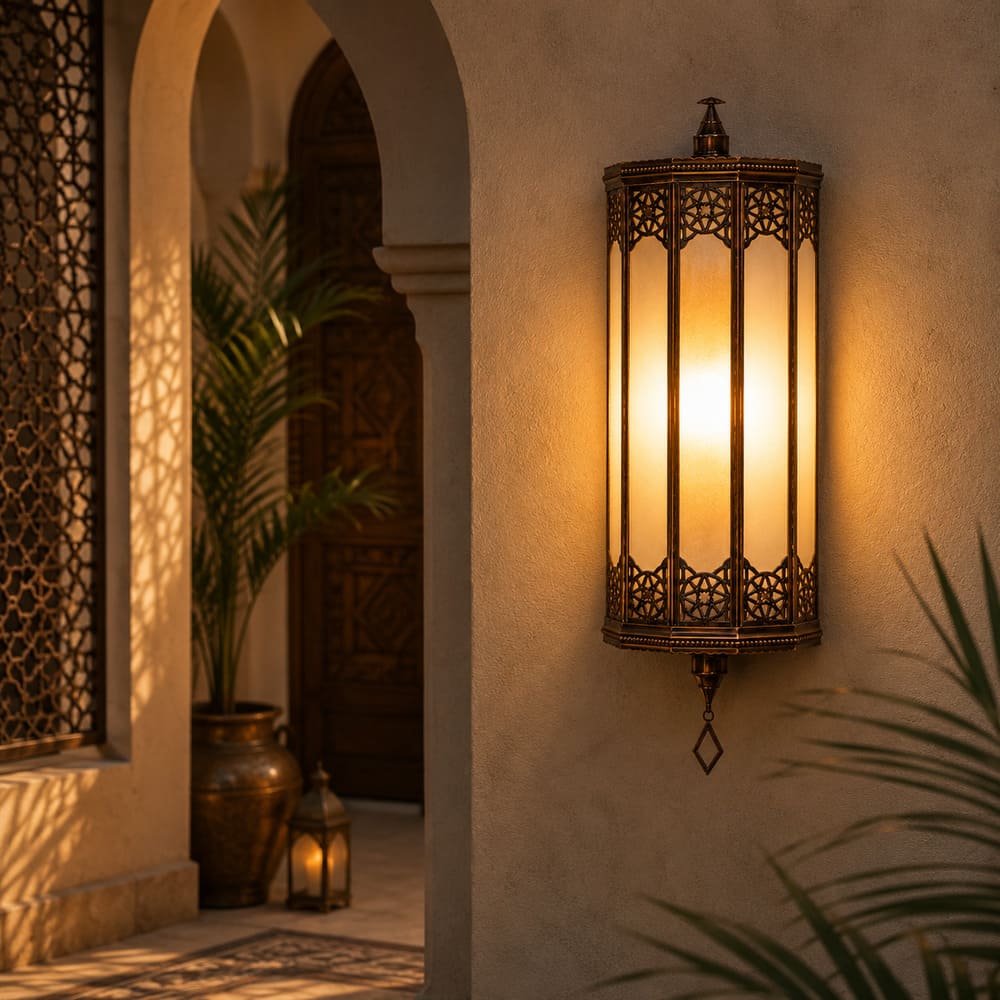
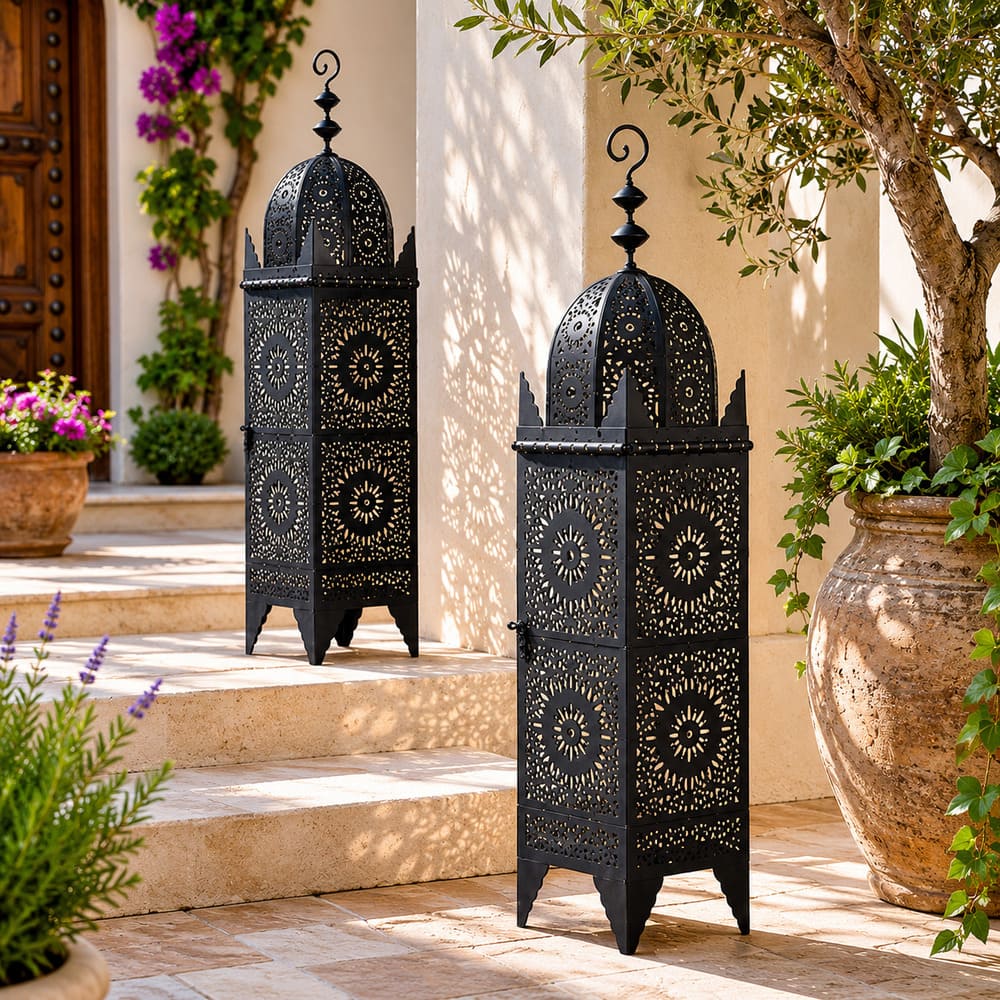
    In architecture there are elements that go beyond their practical function and They represent true works of art. latticesIn interior and exterior design, they are a clear example of this. These structures, which have been used throughout history in different cultures, provide privacy and protection from the sun. and constitute a fascinating interplay of light and shadow.

    In this article, we will explore the charm of the interplay of light and shadow in the lattices. Also how they can transform any space into something magical and captivating, and all their uses.

    juegos de luces y sombras de las celosías en una ventana

    5 Advantages of using lattices for light

    The latticesThey are versatile architectural elements that offer numerous advantages for to make efficient use of natural light. The five most important ones are these:

    • They act as natural light filters, allowing sunlight to pass through their intricate patterns. This helps soften direct light and reduce glare, resulting in softer, more pleasant lighting inside spaces.
    • They provide privacy by limiting visibility from the outside. They allow you to enjoy your space without compromising its intimacy. This is especially useful in areas such as bathroom windows, downstairs bedrooms, or areas where discretion is desired.
    • The interplay of light and shadow is utilized, which makes it possible that natural light enters the interior spaces. Consequently, dependence on artificial lighting during the day is reduced.
    • By reducing the amount of direct sunlight entering spaces, you contribute to reducing internal heat.
    • They are aesthetically appealing elements that add a touch of elegance and style to the architecture of a place.
    • The ability to create plays of light and shadow by decorating the home with latticework. Generates a unique and evocative atmosphere that, although it may seem irrelevant to some, is very entertaining for the little ones. It also enhances objects decorative and architectural details.

    It is worth noting that there is awide variety. That's why you'll read or hear about it frequently. wooden lattices, clay latticeand decorative lattice, among others. Depending on which one it is exactly, They adapt to different design styles and preferences.

    Lights and shadows of latticework today

    Latticework is not only an architectural element; it has also had a profound influence on art and culture. In many traditions, geometric patterns have been used as decorative symbols in textiles, ceramics, and other forms of artistic expression. These patterns have become iconic representations of different cultures, conveying their richness, as in Islamic culture.

    celosías para la decoración de interiores
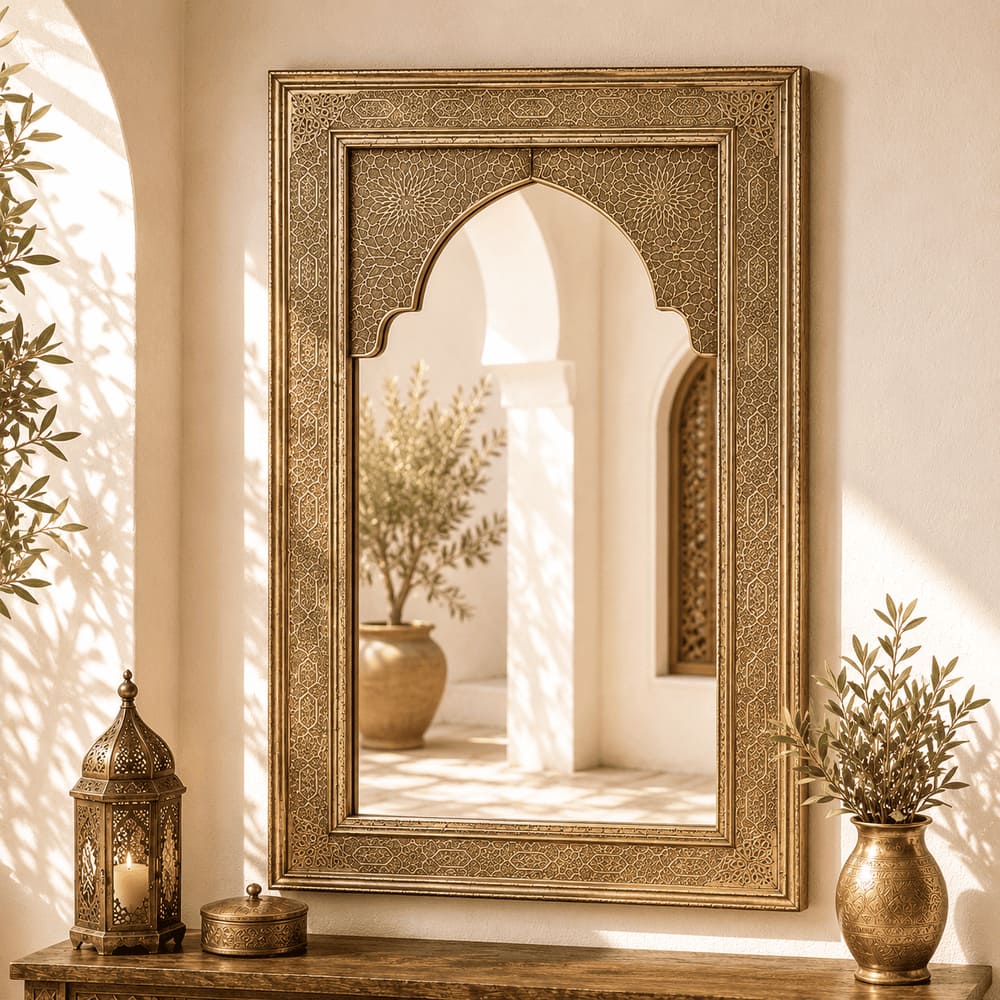
    In Islamic architecture, for example, the geometric lattices known as mashrabiyas, They have been used for centuries as a distinctive decorative element. TheArabs use light and shadows through the representation of intricate and delicate geometric designs, combining shapes such as stars, hexagons and octagons.
    The mashrabiyas They are found in both palaces and mosques, and are considered a symbol of the rich cultural heritage of the Islamic world.This It highlights why they are different and unique.
    Currently, the influence of the Arab latticework In contemporary art and design, this is evident. Geometric patterns and plays of light and shadow are used in fashion, interior design, jewelry, and other forms of creative expression. These capture the essence of the architectural magic of latticework and convey its aesthetic beauty in a modern and versatile way.

    What are the main functions?

    Despite the wide range of uses described, these elements can be categorized into four main functions:

    • Contemporary architects continue to use themas innovative design elements. New technologies and materials They serve to form More complex and sophisticated patterns that challenge traditional boundaries. These structures provide not only shade and privacy, but also a striking aesthetics.
    • In interior design, they continue to be a valuable resource for creating welcoming and stylish environments. They are used in doors, room dividers, partition panels and decorative elements. By integrating it into the interior design, a balance between natural light and privacy is achieved.
    • The geometric shapes and visual effects they create They have become a source of inspiration for painters, photographers, sculptors, and graphic designers. The result is unique and captivating pieces of art.
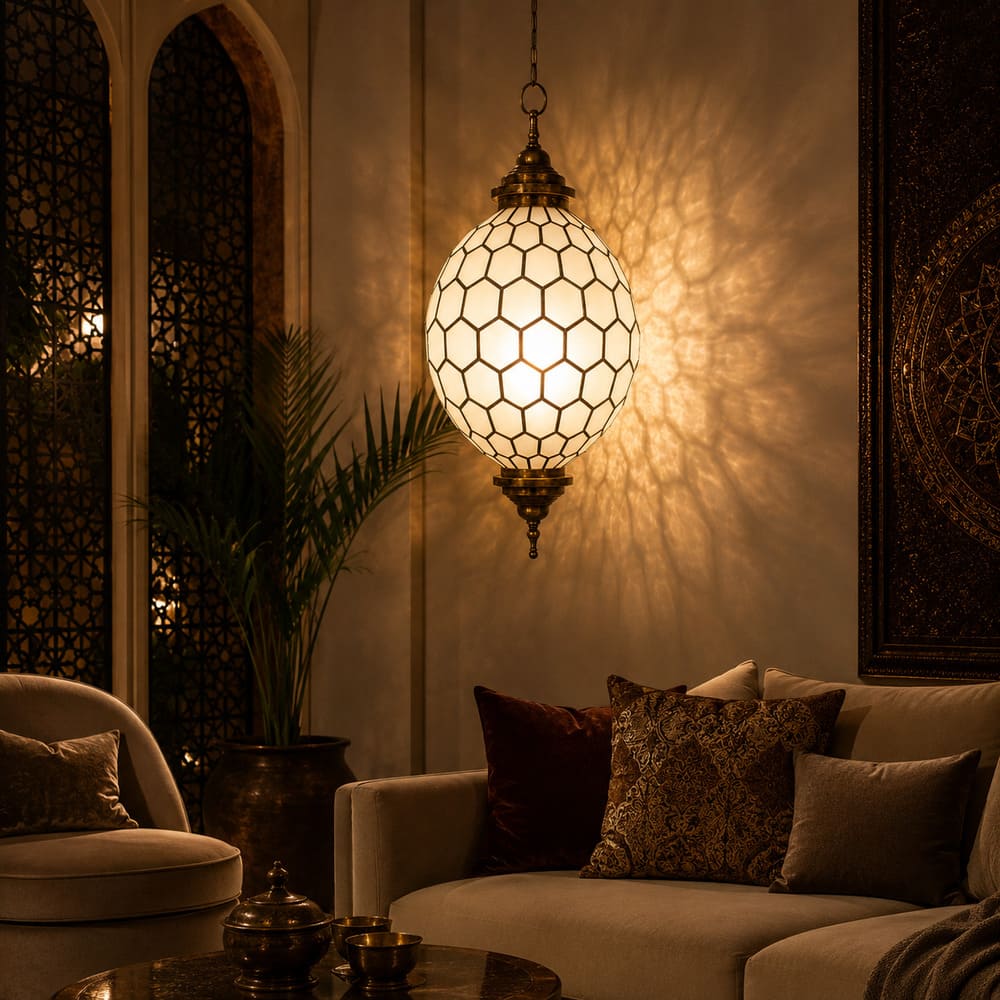
    • The combination of latticework and artificial lighting systems allows for the creation of striking lighting effects in spaces. By strategically placing lights behind the latticework, fascinating shadows and patterns are projected onto the walls and ceilings.

    In summary, the lattices Arabesque elements are a distinctive feature for your home., Besides the fact that it is a product which continues to play a significant role in creating captivating and visually appealing environments. Its ability to transform natural light into a magical and immersive experience to be appreciated.

    ChatGP

    Nuestros clientes nos recomiendan