Your Cart is Empty



Add description, images, menus and links to your mega menu
A column with no settings can be used as a spacer
Link to your collections, sales and even external links
Add up to five columns

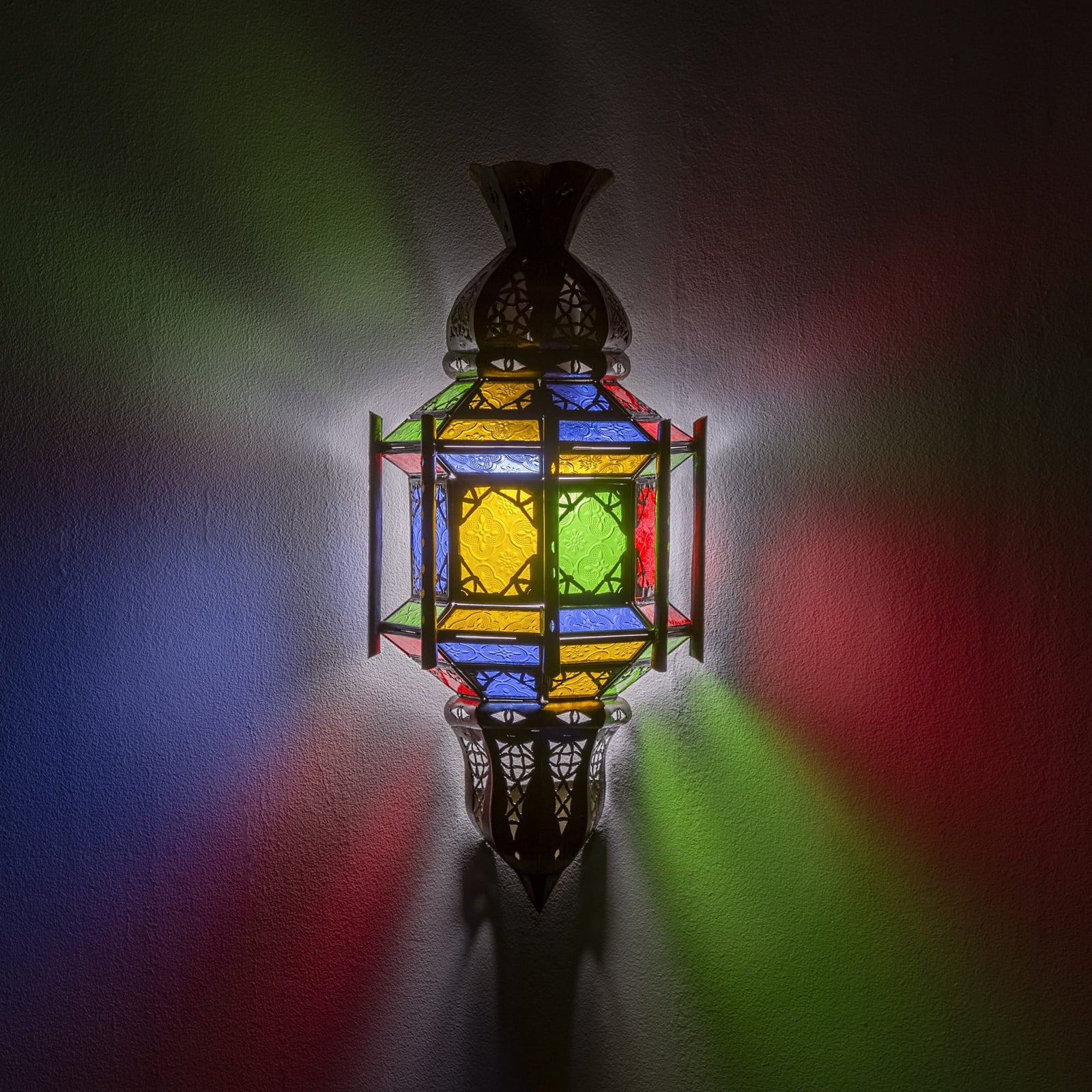
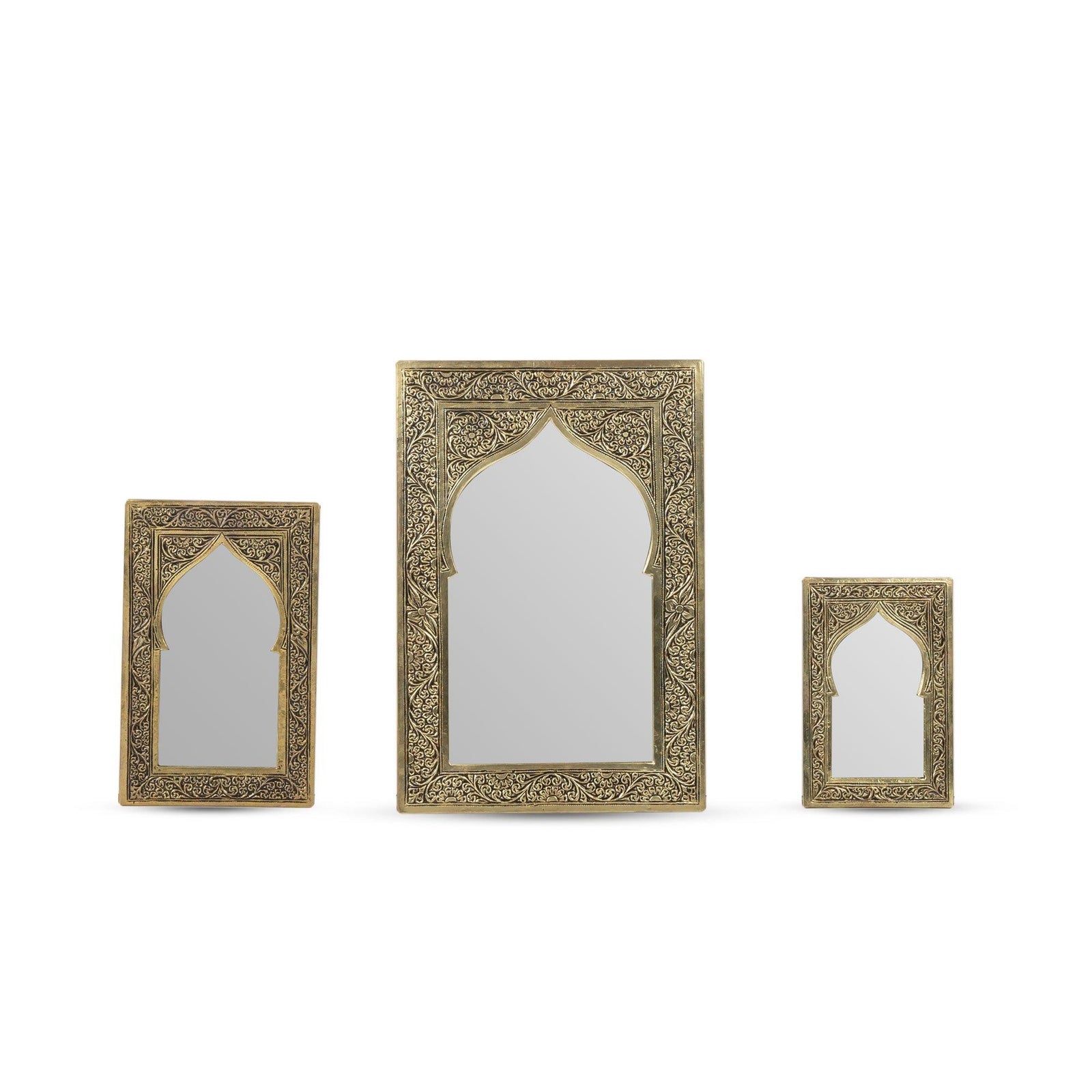
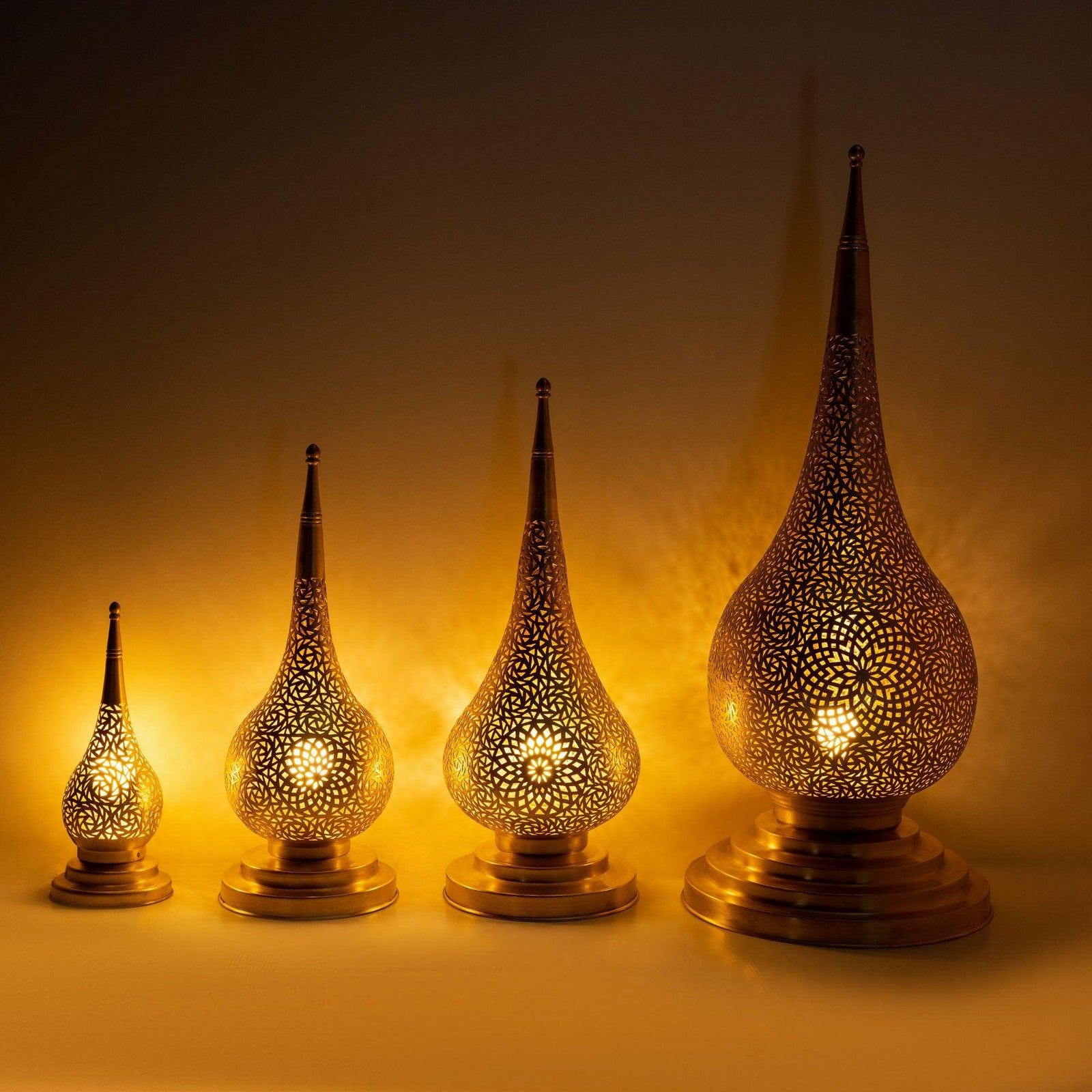
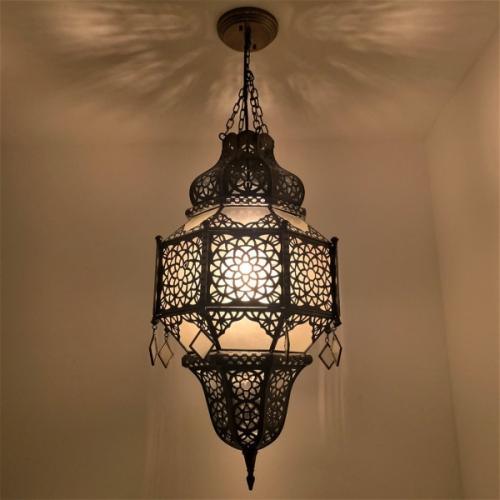
Whenever we hear the word Arab crafts We immediately think of the typical streets where you can take a leisurely stroll and enjoy the sightsArab carpets the most colorful lamps, latticework and savoring the smell of leather.
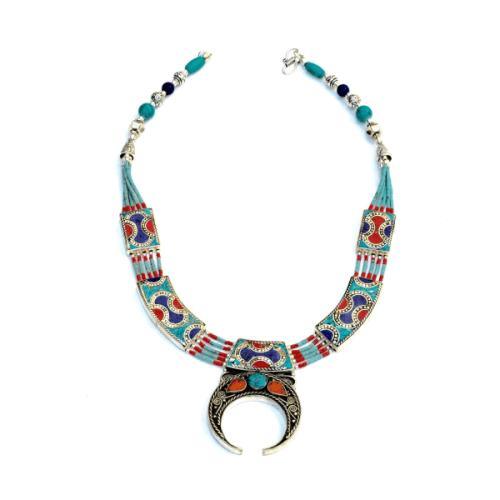
Each Moroccan region specializes in a type of raw material and produces its ownhandcrafted products.Keep reading to learn about the history, key details, and everything that Decoración Alcazaba has to offer.
The first pioneers to develop this trade in Arab artisan products It was the Berbers who began manufacturing carpets, pottery, and iron and silver jewelry. After the arrival of Islam and the Arabs, more refined pottery began to be produced, copper was introduced, and it was used to make various utensils. Ceramics and woodworking also began.Arab latticework.
To learn a little more about their evolution, at Decoración Alcazaba we want to show you what each of them looks like. traditional Arab artisan products that are being worked on today and the importance of this tradition.

Craftsmanship is work done manually by a person, so each product is a unique and distinct piece.Moroccan crafts This skill has been learned and passed down from generation to generation, resulting in high-quality and highly detailed pieces.types of Arab crafts or traditional artisan products that we will detail are the following:
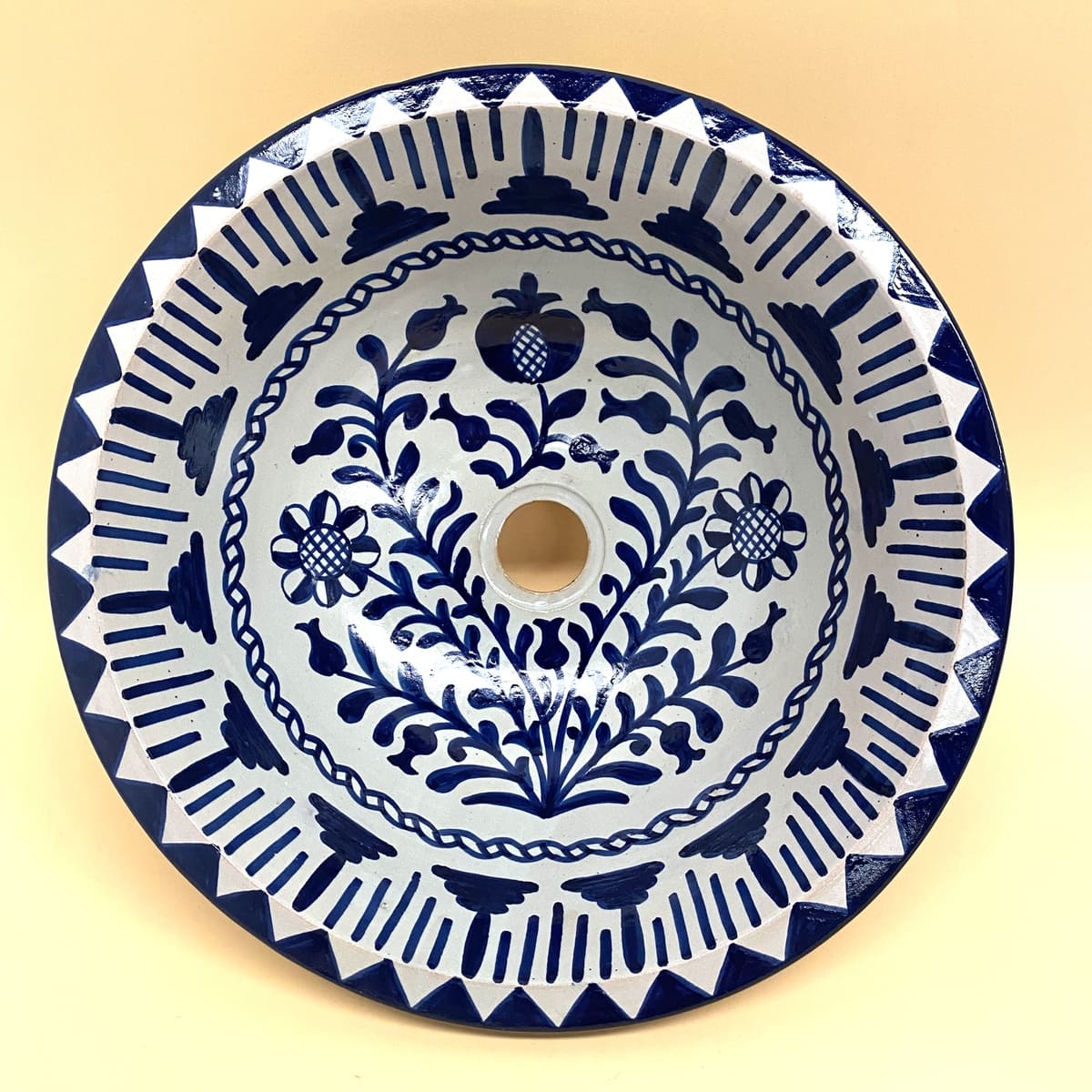
Depending on the region you are in, a type of Arab pottery different. Among them, the following stands out:manufacturing of ceramic pieces from Fez and Safi. The first one is characterizedbecause of its blue color, while the second It focuses on earth tones like brown, green, and yellow. In the Moroccan region, you can find glazed or enameled earthenware pottery.
As for their designs, they can be found with highly detailed motifs of geometric and representative shapes. All of themhandcrafted productsand Arab ceramics They are intended for decoration or use for food preservation or transport.

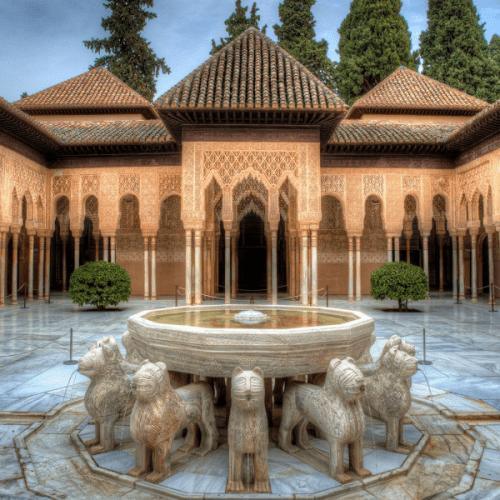
ANDStan Made of wood, they display geometric shapes and Muslim calligraphy. Today you can findArabic wooden latticework inspired by mosques or palaces like the Alhambra in Granada. In addition to its material, you will perceive a lattice of fine slats to achieve a very careful and unique design.
This type of Arab crafts It is traditional to find it for the home decoration such as headboards, paintings, tabletops, windows with specific motifs, etc. Throughout the East, it is used to cover interior spaces, and even screens are made as room dividers. It is one of the most deeply rooted artisanal products within Arab culture.
Now, the lattice production processes They are more mechanical.Why? Because laser cutting is used to manufacture each piece of wood.
TheMoroccan carpets also calledBerber or peasant rugs, They are known for their art, characterized by its striking colors and the depiction of natural themes. All themodelsThey are composed of a base of geometric shapes, This is not accidental, but rather influenced by Pythagorean culture. In contrast, theArabic prayer rug Its motif of representation is always the mihrab located in the center.
The shape of thistraditional Arab artisan product It is rectangular, although square, circular, and even hexagonal rugs can be found. Their colors range from very colorful rugs, such as blue and green, to more classic ones with a white background and dark-colored figures.

TheArab basketry It was created as a way to meet the needs of the inhabitants. This led to the development of typical Arab garden furniture, baskets for transporting food, lamps, and hats. Everything is made with local materials such as rushes, reeds, and dwarf palm.
It is worth noting that these handcrafted products have been sold for years and are still appreciated by the public; it is very common to see shops dedicated to basketry in everyArab market.
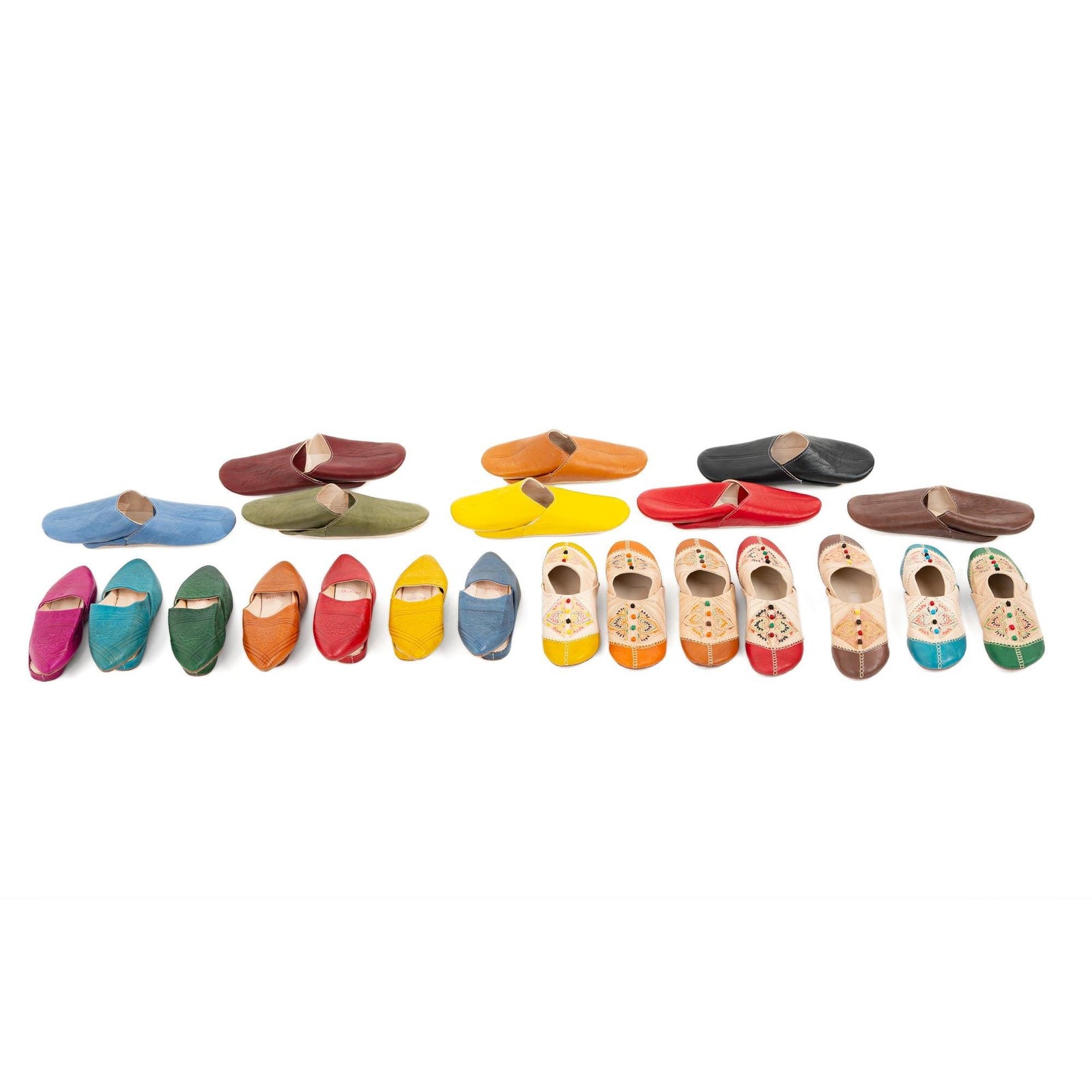
The Moroccan leather crafts It's the most famous thing you can find in Morocco. Initially, it was used to make slippers, saddles, and even book spines. Later, the techniques improved, and now we can find more products like bags, backpacks, belts, cushions, poufs, and so on.
Theleather goods originating from Morocco is unique, since They only use natural dyes to color their pieces. Thus, the handcrafted products of this culture are free of chemicals.
As you can see, the tradition of representing their own culture and beliefs hasn't changed, although some of the ways in which the pieces are produced have. Ultimately, we can find an element unique Arabic craftsmanship that gives our home that touch of personality. Did you know about these?handcrafted products? Do you like this type of decoration?
Whatever your answer, we invite you to Enter here To see all the available options at Decoración Alcazaba, don't wait any longer and take advantage of great offers and discounts of up to 50%! For questions or concerns, write to us directly at our WhatsApp.
Whenever we hear the word Arab crafts We immediately think of the typical streets where you can take a leisurely stroll and enjoy the sightsArab carpets the most colorful lamps, latticework and savoring the smell of leather.
Each Moroccan region specializes in a type of raw material and produces its ownhandcrafted products.Keep reading to learn about the history, key details, and everything that Decoración Alcazaba has to offer.
The first pioneers to develop this trade in Arab artisan products It was the Berbers who began manufacturing carpets, pottery, and iron and silver jewelry. After the arrival of Islam and the Arabs, more refined pottery began to be produced, copper was introduced, and it was used to make various utensils. Ceramics and woodworking also began.Arab latticework.
To learn a little more about their evolution, at Decoración Alcazaba we want to show you what each of them looks like. traditional Arab artisan products that are being worked on today and the importance of this tradition.
Craftsmanship is work done manually by a person, so each product is a unique and distinct piece.Moroccan crafts This skill has been learned and passed down from generation to generation, resulting in high-quality and highly detailed pieces.types of Arab crafts or traditional artisan products that we will detail are the following:
Depending on the region you are in, a type of Arab pottery different. Among them, the following stands out:manufacturing of ceramic pieces from Fez and Safi. The first one is characterizedbecause of its blue color, while the second It focuses on earth tones like brown, green, and yellow. In the Moroccan region, you can find glazed or enameled earthenware pottery.
As for their designs, they can be found with highly detailed motifs of geometric and representative shapes. All of themhandcrafted productsand Arab ceramics They are intended for decoration or use for food preservation or transport.
They are made of wood and display geometric shapes and Muslim calligraphy. Today you can findArabic wooden latticework inspired by mosques or palaces like the Alhambra in Granada. In addition to its material, you will perceive a lattice of fine slats to achieve a very careful and unique design.
This type of Arab crafts It is traditional to find it for the home decoration such as headboards, paintings, tabletops, windows with specific motifs, etc. Throughout the East, it is used to cover interior spaces, and even screens are made as room dividers. It is one of the most deeply rooted artisanal products within Arab culture.
Now, the lattice production processes They are more mechanical. Why? Because laser cutting is used to manufacture each piece of wood.
TheMoroccan carpets also calledBerber or peasant rugs, They are known for their art, in which its striking colors and the search to represent natural themes predominate.All themodelsThey are composed of a base of geometric shapes, This is not accidental, but rather influenced by Pythagorean culture. In contrast, theArabic prayer rug Its motif of representation is always the mihrab located in the center.
The shape of thistraditional Arab artisan product It is rectangular, although square, circular, and even hexagonal rugs can be found. Their colors range from very colorful rugs, such as blue and green, to more classic ones with a white background and dark-colored figures.
TheArab basketry It was created as a way to meet the needs of the inhabitants. This led to the development of typical Arab garden furniture, baskets for transporting food, lamps, and hats. Everything is made with local materials such as rushes, reeds, and dwarf palm.
It is worth noting that these handcrafted products have been sold for years and are still appreciated by the public; it is very common to see shops dedicated to basketry in everyArab market.
The Moroccan leather crafts It's the most famous thing you can find in Morocco. Initially, it was used to make slippers, saddles, and even book spines. Later, the techniques improved, and now we can find more products like bags, backpacks, belts, cushions, poufs, and so on.
Theleather goods originating from Morocco is unique, since They only use natural dyes to color their pieces. Thus, the handcrafted products of this culture are free of chemicals.
 Envios gratis
Disfruta de tu compra el